Another development in breast cancer treatment deserves our attention!
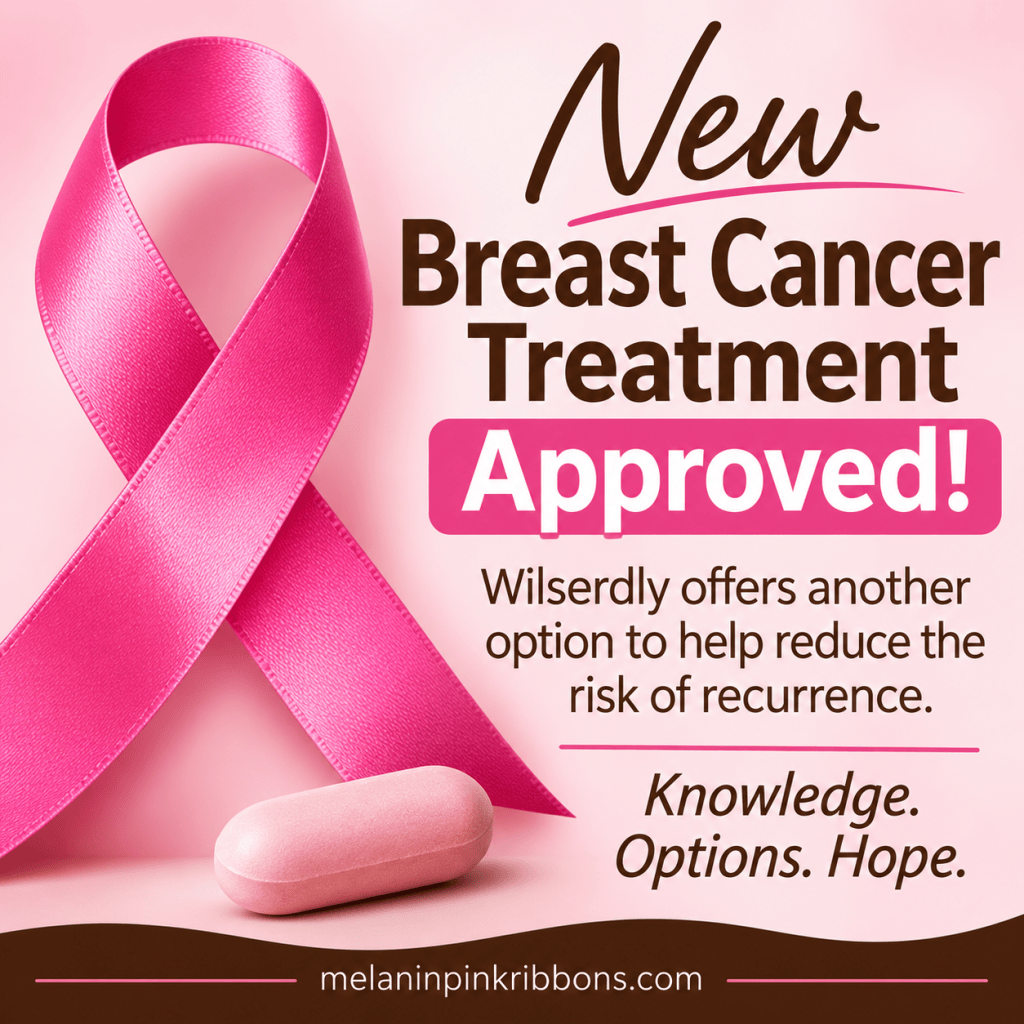
The U.S. Food and Drug Administration (FDA) has approved a new medication called Wilserdly (giredestrant) for certain adults with early-stage, hormone-sensitive breast cancer.
This is significant news because it is the first new hormone therapy approved for early-stage breast cancer in more than 20 years.
But what does this mean for women fighting breast cancer and those of us living in survivorship? Let’s break it down.
What Is Wilserdly?
Wilserdly is a prescription medication taken once a day as a pill. It is designed to help reduce the risk of breast cancer returning after surgery.
It is approved for certain adults with:
● Estrogen receptor-positive (ER-positive) breast cancer.
● HER2-negative breast cancer.
● Stage I, II or III disease.
● An intermediate to high risk of cancer returning after surgery.
How Does This Medication Work?
Let’s make this simple.
Some breast cancer cells use estrogen, a hormone produced naturally in the body, to grow.
Think of estrogen as a key that unlocks a door. The cancer cells have receptors that allow estrogen to send signals encouraging them to grow.
Wilserdly works by:
● Blocking estrogen from activating those receptors.
● Breaking down the estrogen receptors themselves.
● Interrupting signals that encourage cancer cells to grow.
In simple terms, it helps take away one of the things that certain breast cancer cells depend on to grow.
Why Is This Approval Important?
For many years, women with hormone-sensitive breast cancer have been treated with medications such as Tamoxifen, Anastrozole, Letrozole and Exemestane.
Wilserdly offers another treatment option.
Here are some important findings from the clinical trial:
● More than 4,100 adults participated in the study.
● Participants received either Wilserdly or standard hormone therapy.
● Wilserdly reduced the relative risk of invasive breast cancer recurrence or death by 30% compared with standard hormone therapy.
● After three years, 92.4% of patients receiving Wilserdly were alive and free of invasive breast cancer.
● In comparison, 89.6% of patients receiving standard hormone therapy reached that same outcome.
Researchers are continuing to follow patients to determine whether Wilserdly also helps people live longer.
These findings are encouraging and represent another step forward in breast cancer treatment.
Are There Side Effects?
Yes. Like other cancer medications, Wilserdly can cause side effects.
Some of the more common side effects include:
● Muscle and joint pain.
● Hot flashes.
● Fatigue.
● Headaches.
● Nausea.
● Dizziness.
● Slower-than-normal heart rate.
● Numbness or tingling in the hands and feet.
Patients should discuss possible side effects, benefits and risks with their oncology team.
Does This Medication Mean Every Breast Cancer Survivor Can Take It?
No.
This medication is approved for a specific group of patients. It is not intended for every breast cancer diagnosis or subtype.
Eligibility depends on:
● The type of breast cancer.
● The stage of the disease.
● The patient’s risk of recurrence.
● Individual medical circumstances.
Women who are currently taking hormone therapy should not stop or change their medication because of this announcement. Speak with your oncologist before making any treatment decisions.
What Does This Mean for Black Women?
Access to breast cancer information and treatment options matters.
Black women continue to face challenges in breast cancer care, and we must remain committed to education, early detection, treatment access and advocacy.
New treatment developments are important, but women must also have access to the healthcare professionals, medications and follow-up care they need.
We deserve to understand our diagnosis and participate in decisions about our treatment.
A Message to Women Fighting and Surviving Breast Cancer
As a breast cancer survivor and advocate, I believe knowledge is an important part of self-advocacy.
Here are a few reminders:
● Ask questions about your breast cancer subtype.
● Understand whether your cancer is hormone receptor-positive or HER2-positive.
● Discuss your risk of recurrence with your oncologist.
● Ask about available treatment options.
● Understand the benefits and potential side effects of your medications.
● Never make changes to your treatment plan without consulting your healthcare provider.
The Bottom Line
Every advancement in breast cancer treatment deserves our attention. Wilserdly provides another option for certain patients with early-stage, hormone-sensitive breast cancer who are at an increased risk of recurrence.
It is not a cure, and it does not eliminate the possibility of cancer returning. However, the clinical trial results offer encouraging evidence that it may help reduce that risk.
We must continue to educate ourselves, share information and advocate for better breast cancer care.
Because being informed is part of being empowered.
Cynthia
Founder, Melanin & Pink Ribbons
Medical Disclaimer: This article is for educational purposes only and is not a substitute for professional medical advice. Always consult your healthcare provider or oncologist regarding your diagnosis and treatment options.
Source: U.S. Food and Drug Administration (FDA) — Wilserdly Approval Announcement.





Leave a Reply